Ants Invade: Stay Prepared
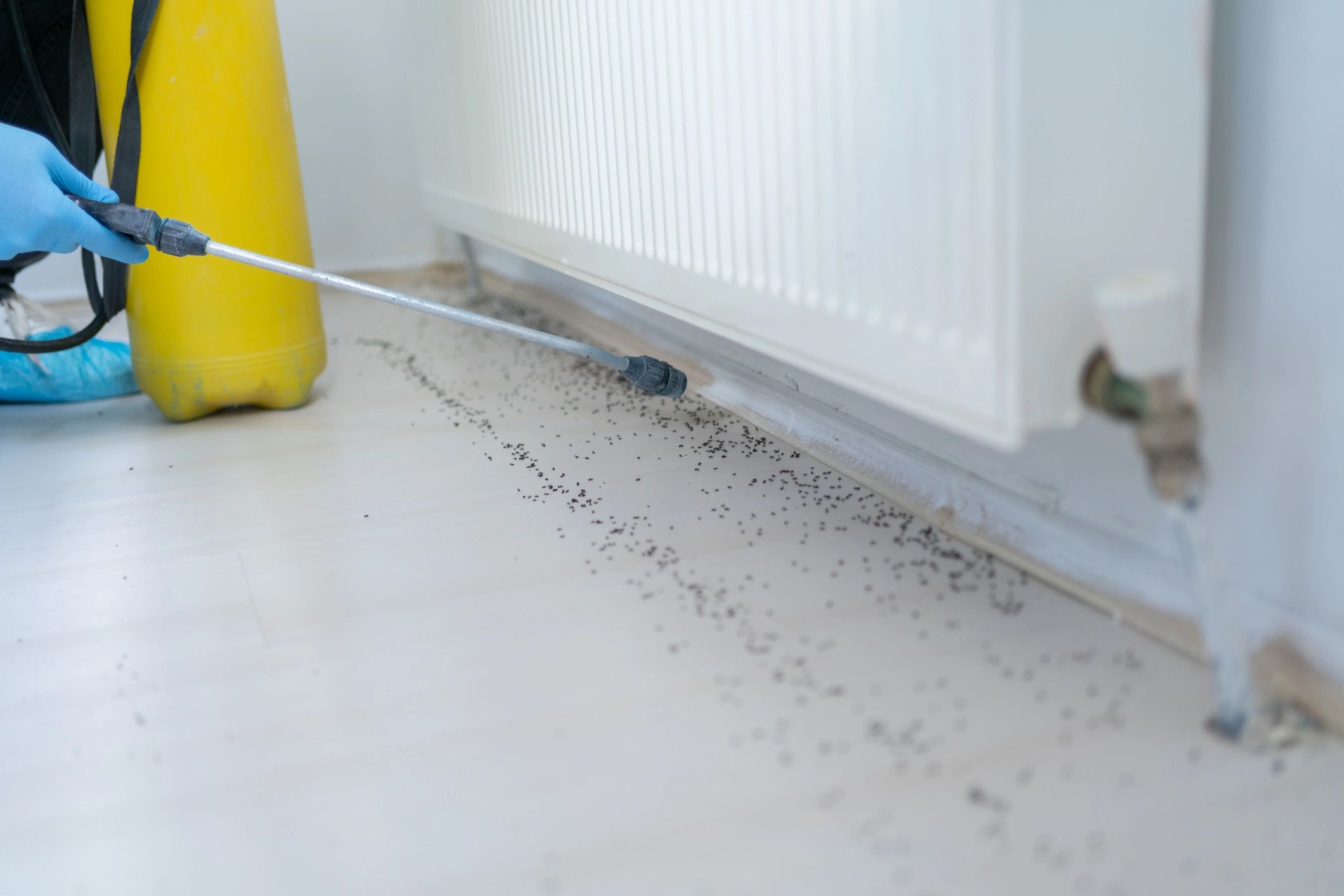
Uncover the Secrets of Ant Season Activity
As temperatures rise and weather patterns shift, ant activity intensifies, impacting both residential and commercial spaces. This seasonal surge is driven by natural cycles—rainfall followed by dry spells forces colonies to relocate in search of food and shelter. Understanding this behavior is key to safeguarding your environment and maintaining a pest-free space.
During these warmer months, ants expand their search beyond natural habitats. They are drawn indoors by accessible food sources, water, and secure nesting spots. In this guide, you'll discover:
- The environmental triggers that spark ant invasions
- How to identify areas in your home or business where ants are likely to congregate
- Practical tips to deter infestations through routine maintenance and targeted prevention strategies
Whether you're situated in a busy urban setting or a suburban area near Chicago, these insights on pest control empower you to combat ant intrusions effectively. Learn to recognize the early signs, adapt preventive measures, and take action before minor nuisances become major problems. This proactive approach will help ensure your space remains comfortable, safe, and well-prepared throughout ant season.
Discovering the Diversity of Ant Intrusions
During ant season, different ant species make their presence known, and understanding these variations is key to effective pest control. Many of these insects exhibit distinctive behaviors and physical characteristics that help pest management professionals and homeowners alike identify the threat. For instance, carpenter ants are known for their larger size and the potential to cause structural damage by nesting in wood. Meanwhile, pavement ants often emerge near concrete areas, exploiting moisture and food sources in urban settings like Pembroke Township, Illinois.
Other common species include the odorous house ants, which release a noticeable smell when crushed, and the smaller pharaoh ants, notorious for infesting indoor environments. Key characteristics to note when assessing ant populations are:
- Size and Color: Varying from light brown to deep black.
- Nesting Habits: From concealed wood galleries to open pavement nests.
- Behavioral Patterns: Diurnal activity versus nocturnal foraging.
Recognizing these traits enables you to take proactive steps in managing ant invasions. By studying local variations and understanding common indicators of infestation, you can better prepare and implement targeted treatment measures, ensuring your home and community remain pest-free.
Unseen Dangers: Ants in Your Space
Ant infestations can wreak havoc on both households and businesses, posing a range of unexpected challenges. As these persistent pests infiltrate kitchens, offices, and storage areas, they not only damage products and food supplies but also create potential health hazards. For instance, ants can contaminate surfaces with bacteria, raising concerns for food safety and overall hygiene—particularly problematic in establishments like restaurants and cafeterias.
In addition to health risks, the economic impact of an ant invasion is significant. Businesses face increased maintenance costs, potential loss of inventory, and the need for frequent professional pest control treatments. Homeowners, too, may incur expenses repairing damage or replacing contaminated items. Key indicators of an infestation include:
- Unusual trails of insects in crevices
- Increased presence during warmer months
- Visible nests in high-traffic areas
For property managers in areas such as Chicago and Illinois, proactive measures are crucial. Regular inspections, proper sanitation, and prompt treatment applications help mitigate these issues. Prioritizing these actionable steps ensures safer environments and minimizes costly disruptions, ultimately preserving both health standards and business revenue.
Eco-Conscious Defense: Step-by-Step Guide to Beat Ant Infestations
When pests start to invade your space, particularly ants, it’s important to act quickly using eco-friendly methods. This guide offers a practical, step-by-step approach to keeping these invaders at bay while preserving the environment.
- Inspect Common Entry Points Begin by examining both indoor and outdoor areas for cracks, crevices, or gaps. Check foundations, door frames, and window screens for vulnerabilities.
- Eliminate Attractants Clean up food spills immediately and store edibles in airtight containers. Regularly remove debris from your yard to reduce food sources for ants.
- Apply Natural Repellents Use mixtures like vinegar with water or essential oils such as peppermint and tea tree oil. Spray these solutions near entry points and along ant trails to disrupt their paths.
- Seal Pathways Once you identify ant access routes, use caulk or eco-friendly sealants on cracks and gaps. This step minimizes recurring invasions.
- Monitor and Adjust Regularly revisit these areas, especially in urban hubs like Chicago and Pembroke Township, and modify your strategy as needed to ensure lasting results.
Adopting these eco-friendly practices can significantly reduce ant infestations and support a healthier environment.
Essential FAQs on Battling Ant Intrusions
Q: How can I detect early signs of an ant infestation? Ant colonies often announce themselves with tiny trails and scattered crumbs. Look for continuous lines of ants in your kitchen, along baseboards, or near entry points.
Q: What are some eco-friendly methods for ant control? Consider natural repellents like vinegar, lemon juice, or essential oils. Maintaining a clean environment by promptly wiping spills and sealing food also helps deter these pests.
Q: Can household items be used to deter ants naturally? Yes, common items such as cinnamon, peppermint, and even coffee grounds can act as effective deterrents when sprinkled near suspected entryways.
Q: How do I prevent ants from returning after treatment? Regular cleaning, sealing cracks, and limiting food exposure are key. Routine inspections in areas like the kitchen and storage areas help maintain a pest-free space.
Q: What steps should I take if ants invade high-traffic areas? Immediately clean up any food debris, check for moisture, and inspect adjacent areas. Being proactive with these practical measures, especially in local urban settings like Pembroke Township, will keep infestations under control.
Ready for a Clean, Pest-Free Future?
In conclusion, embracing proactive and eco-friendly pest control methods is critical for maintaining a safe environment for your home or business. This guide has highlighted practical strategies that blend sustainability with effective pest management, ensuring that you not only address current infestations but also prevent future issues. By focusing on environmentally conscious techniques, you protect your property, contribute to local ecological health, and enhance overall living conditions, especially in regions like Illinois and greater Chicago areas.
Consider these actionable next steps:
- Schedule regular inspections to catch early signs of pest activity.
- Integrate sustainable pest control practices with non-toxic products.
- Develop a routine maintenance plan that suits your local climate.
- Stay informed about evolving eco-friendly solutions to adapt to changing environments.
These steps represent a robust approach to pest prevention, balancing immediate needs with long-term safety and sustainability. With each action, you’re advancing towards a cleaner, more resilient space. Now is the time to put these strategies into practice and foster a pest-free future that benefits both your community and the environment.