Chicago’s Rat Problem: What Homeowners & Renters Should Know in 2
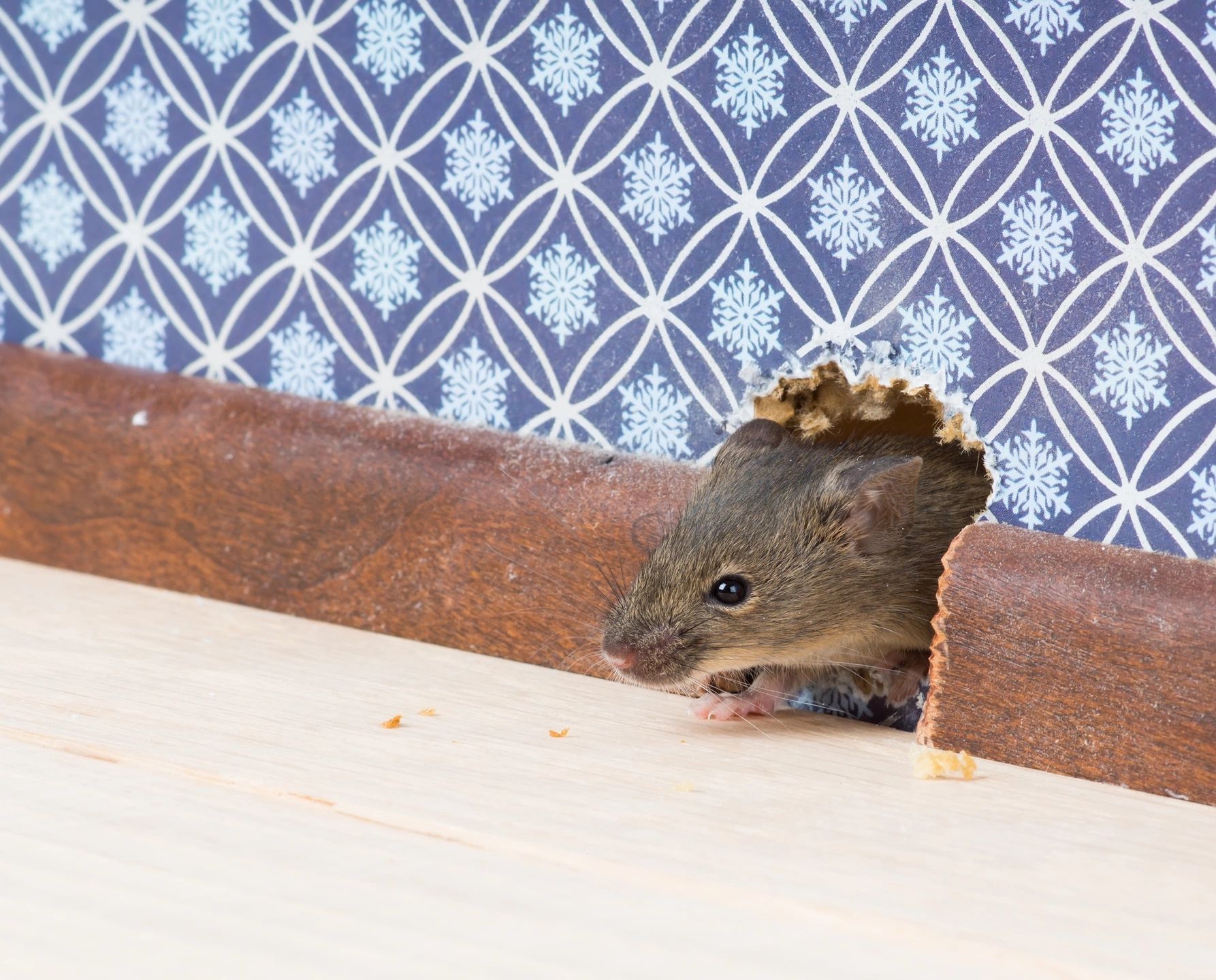
Chicago’s Ongoing Rat Battle
Chicago has been crowned “America’s Rattiest City” for several years running—and 2025 is no exception. With a dense urban landscape, aging infrastructure, and changing weather patterns, the city continues to face challenges controlling its rodent population.
But what does that mean for homeowners, landlords, and renters? Whether you’re living in a vintage walk-up in Lakeview, managing an investment property in Logan Square, or house-hunting in Rogers Park, the rat problem is more than just an urban nuisance—it’s a health concern and a property maintenance issue.
Why Chicago Keeps Seeing More Rats
Several factors contribute to the city’s persistent rodent problem:
- Mild winters: Chicago’s warmer winters in recent years mean fewer rats die off in cold months.
- Construction booms: Major infrastructure and real estate projects disturb rat burrows and send rodents searching for new shelter.
- Overflowing garbage bins: In dense neighborhoods, improper trash disposal is an open invitation for rodents.
- Climate change: Wetter springs and warmer falls create longer breeding seasons.
According to recent city data, rat complaints through Chicago’s 311 system rose another 4% in the first half of 2025 compared to last year, with hotspots on the North and Northwest Sides.
Neighborhoods Seeing the Worst of It
While no part of Chicago is immune, some neighborhoods consistently report higher rodent activity:
- Lakeview & Lincoln Park: Dense housing + restaurants = perfect rat habitat.
- Logan Square & Avondale: Ongoing construction projects have disturbed underground burrows.
- West Town & Humboldt Park: Older infrastructure and alleyways provide plenty of shelter.
- South Loop: High-rise dumpsters and construction zones are magnets for rodents.
That said, well-maintained properties and proactive neighborhoods can significantly reduce infestations.
How Property Owners Can Protect Their Homes
Whether you own or rent, there are practical steps you can take to minimize rodent issues:
✅ Seal entry points: Inspect your home’s foundation, basement windows, and exterior walls for gaps.
✅ Manage your garbage: Use sturdy, sealed trash bins and avoid leaving food waste outside overnight.
✅ Maintain landscaping: Overgrown shrubs, wood piles, and debris create ideal hiding places for rats.
✅ Report sightings: The City of Chicago’s 311 system offers free baiting services. Report rat activity promptly.
✅ Hire a pro: Pest control companies offer prevention plans and extermination services for larger infestations.
The City’s Response in 2025
Chicago has increased funding for rodent control in 2025, expanding baiting operations and introducing smart sensor technology in some trash bins to track rodent activity. But city officials say community cooperation is key to keeping the problem manageable.
Final Thoughts: Stay Vigilant, Stay Clean
Rats are a reality of city living, but they don’t have to be your reality. With proactive maintenance, community action, and smart habits, homeowners, landlords and renters can keep their properties as rodent-free as possible.