
Plants That Keep Garden Pests Away
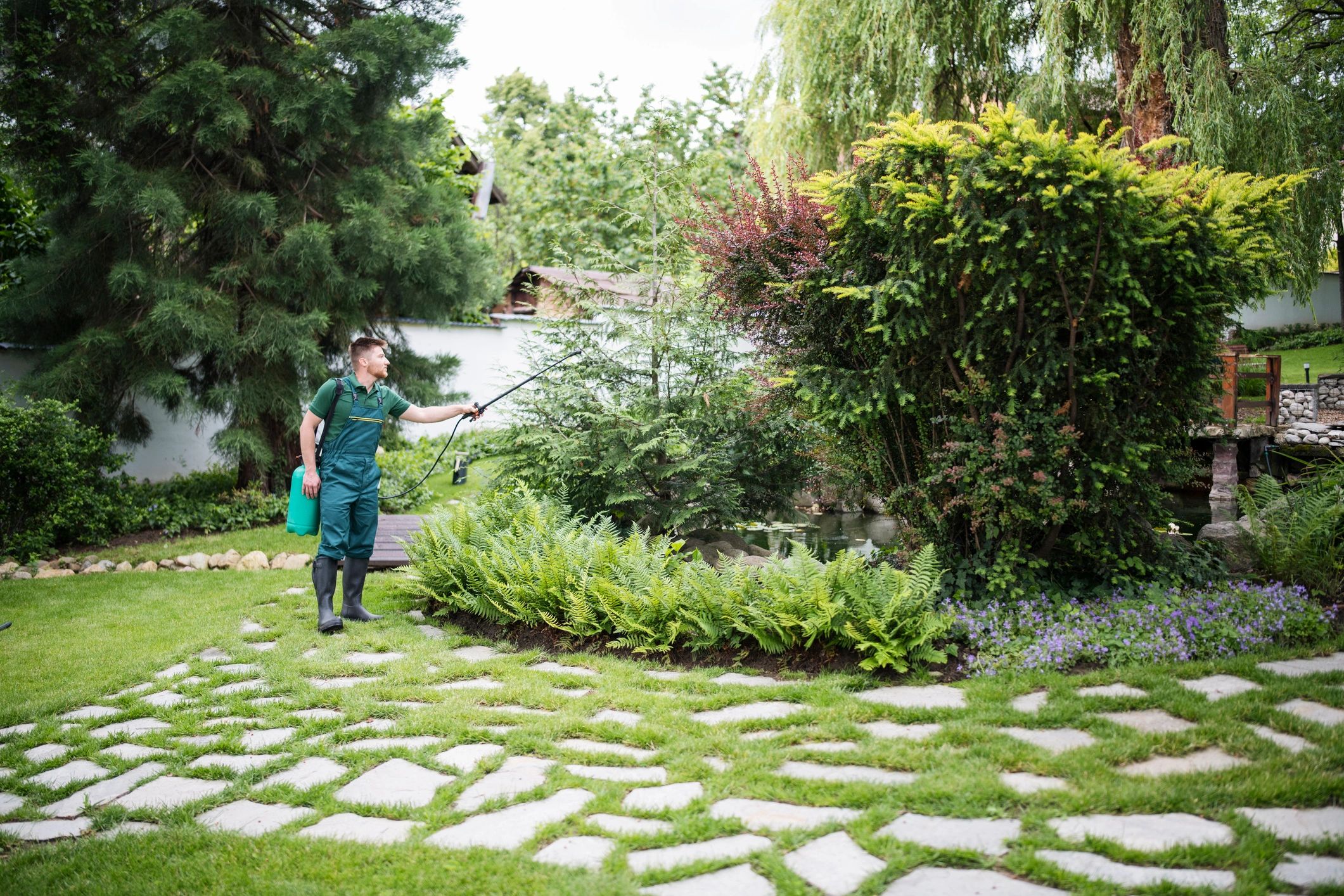
Lush Green Guardians: Embrace Nature’s Defense
Imagine your garden becoming a sanctuary where natural barriers fend off harmful pests. By planting specific varieties known for their pest-repelling properties, you can create a vibrant ecosystem that discourages unwanted visitors while enhancing the overall health of your space. These botanical allies, such as marigolds, lavender, and basil, emit aromas that mask the signals pests rely on, acting as a natural deterrent for common garden nuisances.
In this section, you’ll discover the benefits of integrating these living defenses into your landscape. You’ll learn how these plants not only repel pests but also attract beneficial insects that promote pollination and enrich your soil. Some key advantages include:
- Reduced Chemical Dependency: Minimizing the need for synthetic pesticides.
- Enhanced Biodiversity: Encouraging a balance between pests and predators.
- Cost-Effective Maintenance: Utilizing nature’s resources to safeguard your garden.
Whether you’re nurturing a backyard haven in Pembroke Township or refreshing your urban balcony garden, these practical insights will help you adopt effective, eco-friendly pest control methods and transform your green space into a thriving, pest-resistant paradise.
Botanical Pest Protectors: Nature's Garden Defense
If you’re looking to naturally shield your garden from pests while adding vibrant colors and fragrances, these top plants offer a dual solution. Here’s a curated list of botanical defenders that not only enhance your landscape but actively deter pests:
- Marigolds These bright blooms release natural chemicals that disrupt the life cycle of common pests such as aphids and nematodes. Their pungent aroma acts as a barrier, reducing infestations in nearby plants.
- Basil Well-known for its culinary appeal, basil also repels flies and mosquitoes. Planting basil near vegetables like tomatoes can boost growth while warding off unwanted insects.
- Lavender The soothing scent of lavender isn’t just pleasing to the senses—it discourages moths, fleas, and even some beetles. Its hardy nature makes it suitable for urban gardens in places like Pembroke Township or Chicago.
- Mint Mint’s strong aroma repels ants and various crawling pests. Note that mint can spread rapidly, so consider containing it in pots to maintain balance in your garden.
- Rosemary Beyond its culinary benefits, rosemary acts as a deterrent for cucumber beetles and other garden pests, making it a versatile addition to any pest management strategy.
Cultivate a Pest-Free Haven
Transform your garden into a natural sanctuary with pest-repelling plants by following these actionable steps. Prepare your garden bed by improving soil drainage and enriching it with organic compost. Begin by selecting robust species such as marigolds, basil, and rosemary, known for naturally deterring aphids and other garden pests.
- Prepare the Site:
- Assess sun exposure to determine the best planting locations.
- Till and clear the area to remove weeds and incorporate nourishing compost into the soil.
- Planting Process:
- Dig appropriately sized holes ensuring each plant’s roots can expand freely.
- Place your plants carefully at recommended distances to promote air circulation and prevent mildew.
- Ongoing Care:
- Water consistently with a gentle drip system, avoiding excessive moisture that can attract harmful pests.
- Apply a natural mulch to maintain soil moisture and reduce weed growth.
- Monitor for pests and use eco-friendly insecticides if necessary to protect your crops.
By following these steps, gardeners in locations like Pembroke Township, Illinois, can maximize the natural pest-repelling benefits of these plants while creating a thriving, eco-friendly outdoor space.
Harnessing Nature's Synergy for a Healthier Garden
Combining pest-repelling plants with sustainable gardening practices unlocks a natural solution to unwanted invaders while boosting overall garden vitality. When you integrate herbs like basil, mint, and marigold with organic compost, you create a robust defense system that minimizes pest-related damage without harmful chemicals. This eco-friendly approach supports soil health, encourages beneficial insects, and promotes biodiversity throughout your garden—a win for both the environment and your local ecosystem in areas such as Pembroke Township, Illinois.
Here are practical benefits to consider:
- Reduced pesticide reliance: Natural repellents decrease the dependency on chemical sprays, protecting future harvests.
- Enhanced plant resilience: Companion planting improves nutrient absorption and strengthens plants’ natural defenses.
- Sustainable pest management: A diverse garden ecosystem encourages predators that seek out harmful pests.
- Cost-effective solutions: Utilizing readily available organic materials and native pest-repelling plants saves money and reduces waste.
Integrating these methods creates a living landscape that not only keeps pests at bay but also transforms your garden into a thriving, sustainable haven. With clear strategies and mindful cultivation, you can achieve an eco-friendly paradise that nurtures both nature and community well-being.
Garden Pest Control FAQ: Harnessing Nature’s Defense
Q1: How can pest-repelling plants benefit my garden? Using natural repellents not only minimizes the use of harmful chemicals but also promotes a healthier ecosystem. These plants can act as a first line of defense against common invaders.
Q2: What plants are most effective against garden pests? Popular choices include marigolds, basil, and lavender. Their natural scents and oils are known to deter insects such as aphids, mosquitoes, and whiteflies.
Q3: How do these plants work to prevent infestations? They emit volatile compounds that confuse or repel pests. The intercropping method can create a barrier, reducing pest attraction to nearby vegetables and flowers.
Q4: Can incorporating these plants reduce reliance on chemical pesticides? Yes, many gardeners report a decrease in chemical use by integrating natural pest-repelling species. This approach not only enriches the soil but also supports beneficial insects.
Q5: What are some practical tips for implementation? • Plant these species near vulnerable crops. • Maintain proper spacing for air circulation. • Regularly monitor your garden for pest activity, especially in areas like Pembroke Township and similar climates.
Reaping Natural Rewards
As we wrap up this exploration, it’s clear that choosing flora for natural pest control offers a dual advantage: preserving our environment while reducing maintenance costs. Natural pest deterrents not only enrich garden aesthetics, but also contribute to healthier soil and a balanced ecosystem. By selecting specific plants known for their pest-repelling properties, homeowners can limit chemical usage and foster biodiversity.
Consider these actionable next steps to enhance your green space:
- Evaluate Your Landscape: Identify areas prone to pest issues and introduce pest-resistant plant varieties.
- Adopt Eco-Friendly Practices: Replace synthetic pesticides with natural alternatives that safeguard beneficial insects.
- Monitor and Adjust: Regularly assess your garden’s health and adapt your planting strategy based on seasonal changes.
This sustainable approach ensures that you invest in long-term economic savings while nurturing a thriving, eco-conscious garden environment. Whether you are tending to a backyard space in Pembroke Township or creating a community garden in a nearby region, every small step contributes to a larger impact. Embrace natural pest control as an opportunity to transform your garden into a sanctuary that’s both economically wise and environmentally sound.