Termite Inspections for Real Estate
Spot the Signs: Why Termite Inspections Matter
Termite inspections are a vital first step in ensuring a sound real estate decision. In many regions, including urban centers and suburban communities, property buyers face the hidden risk of termite damage. This unseen threat can compromise structural integrity and reduce the market value of your real estate investment. Early detection not only saves money in costly repairs but also secures a safer environment for future occupants.
In this guide, you'll learn practical strategies to assess property conditions and address potential infestations before they escalate. Key areas of focus include:
- Identifying early warning signs: Look for water-damaged wood, tunnels in structures, or unexplained wall bulges.
- Understanding inspection techniques: Learn how professional inspections can uncover hidden termite activities.
- Actionable steps for prevention: Discover how timely interventions can mitigate extensive damage.
By following this how-to guide, you'll gain a clear understanding of the critical role termite inspections play in real estate transactions. Armed with this knowledge, you can confidently choose properties that have been properly inspected and safeguarded against these elusive pests, ensuring long-term value and safety in your investment.
Essential Steps for a Comprehensive Termite Inspection
Performing a detailed termite inspection is crucial for protecting real estate investments. Start by preparing your tools—flashlights, magnifying glasses, and moisture meters help uncover concealed damage. Then, set out on a systematic tour:
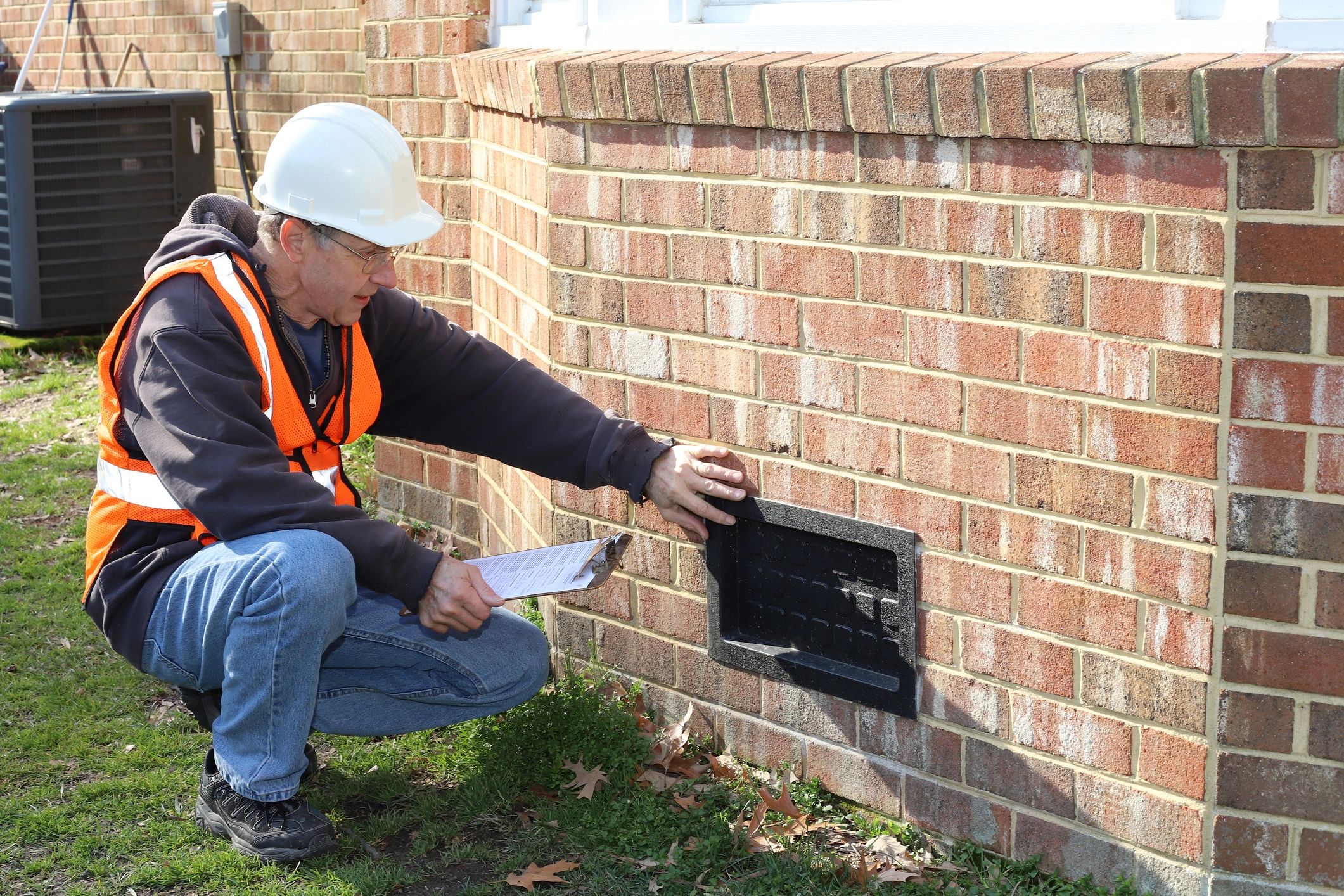
- Survey the Exterior Walk around the property’s foundation, checking for signs of mud tubes, damaged wood, or loose siding that termites often exploit. Look closely at any areas adjacent to mulch or vegetation, especially in locations like Pembroke Township.
- Inspect Indoor Structures Examine wooden beams, cabinets, and other structural elements. Open wall panels if accessible, and scrutinize attic and basement spaces where humidity and darkness create ideal termite habitats.
- Evaluate Moisture Levels Use a moisture meter on suspected wooden components. Elevated dampness can indicate termite activity and facilitate further spread.
- Document Your Findings Record any discolored, hollow sections of wood or active mud tube paths. Detailed notes and photos will assist in subsequent assessments or professional consultations.
Adopting these step-by-step methods enables property owners and real estate professionals to detect termite issues early and take actionable measures.
The Unseen Threat: How Termites Undermine Property Value
Termites can be a silent adversary, stealthily eroding the foundation and compromising the structural integrity of your property. Recognizing early signs of infestation is vital to protect your investment and maintain market value. These insects not only deteriorate wood structures over time but also pave the way for secondary issues like mold and weakened frameworks that can be expensive to repair.
Understanding the impact of termite damage involves recognizing several key factors:
- Structural Decay: Termites consume wood from the inside out, leading to hidden weakening of floors, beams, and walls.
- Property Value Decline: Visible damage or the possibility of termite-related issues can lower appraisal values and deter potential buyers.
- Safety Concerns: Compromised structural integrity may pose risks to occupants and lead to costly remedial measures.
For property owners in regions like Pembroke Township and Chicago, regular inspections and prompt corrective actions are essential. A thorough termite evaluation can uncover early signs of damage, enabling you to address problems before they escalate. Staying informed and proactive is the key to safeguarding your home and preserving its long-term value.
Insider Guidelines for Selecting a Professional Termite Inspection Service
Choosing the right termite inspection service is crucial when safeguarding your property and financial investment. Start by researching certified professionals with a solid reputation in your local area. Verify credentials, licenses, and insurance to ensure they meet industry standards and are well-equipped to handle termite detection in both residential and commercial real estate.
Here are key tips to consider:
- Experience Matters: Look for inspectors with years of proven experience and specialized expertise in termite behavior and treatment.
- Detailed Inspections: A thorough service should include comprehensive reports, early detection methods, and clear documentation of infestation levels.
- Local Knowledge: Select professionals who understand the climate and environmental conditions of your area, such as those familiar with regions like Pembroke Township or nearby urban centers.
- Transparent Pricing: Request detailed estimates that break down costs and services, allowing you to compare offerings without surprises.
- Customer Feedback: Read reviews from former clients to gauge service reliability and satisfaction.
By following these practical tips, you can confidently choose a termite inspection service that meets your needs, ensuring peace of mind and protecting your real estate investment.
Why are termite inspections crucial for real estate transactions?
Termite inspections are a vital part of the home buying process. They help identify hidden infestations or damage that can affect the structural integrity of a property. Detecting termites early can prevent costly repairs and renegotiate sale terms before closing.
What does a typical termite inspection involve?
Inspectors conduct a thorough search of both internal and external areas. This includes examining wood structures, crawl spaces, and foundation areas. They observe moisture levels, inspect baseboards, and look for mud tubes or discarded wings. A detailed report is then compiled for homeowners.
When is the best time to schedule an inspection?
Scheduling an inspection during key seasonal changes, such as spring or early summer, is beneficial. Warmer weather increases termite activity, making it easier to spot damage. This timely evaluation is especially invaluable in metro areas like Pembroke Township and Chicago.
What warning signs should homeowners look for?
- Small holes or damaged wood
- Presence of mud tubes along the foundation
- Discarded termite wings near windows or doors
What steps should you take if termites are discovered?
Consult with a pest control professional for remediation options. Ensure repairs are completed to meet real estate sale requirements and protect your investment.
Securing Your Investment with Consistent Inspections
Regular inspections are the cornerstone of preserving the integrity of any property, especially in areas vulnerable to termite activity. As you wrap up your research on maintaining a pest-free environment, consider the actionable steps outlined below to ensure lasting protection for your real estate investment:
- Schedule Routine Examinations: Commit to annual or bi-annual inspections to catch early signs of termite infiltration before structural damage sets in.
- Inspect Structural Vulnerabilities: Focus on checking wooden beams, foundation areas, and other critical joints where termites can hide.
- Document and Monitor Changes: Keep detailed records of inspection results to track minor changes that could indicate future termite activity.
- Engage Local Experts: Utilize trusted local professionals who understand regional pest patterns in locations like Pembroke Township and throughout Illinois.
In conclusion, the proactive approach of regular inspections not only preserves the structural integrity of your property but also helps avoid costly repairs down the line. Taking these steps early ensures you maintain a safe, healthy living or working environment. Stay vigilant, protect your investment, and empower yourself with knowledge to confidently manage your real estate challenges.